
Physics laboratory · Cambridge 9702
Asteroid Collision & Momentum Laboratory
Investigate the physics of collisions, momentum conservation, kinetic energy, and asteroid fragmentation.
SECTION 1
One-dimensional collisions
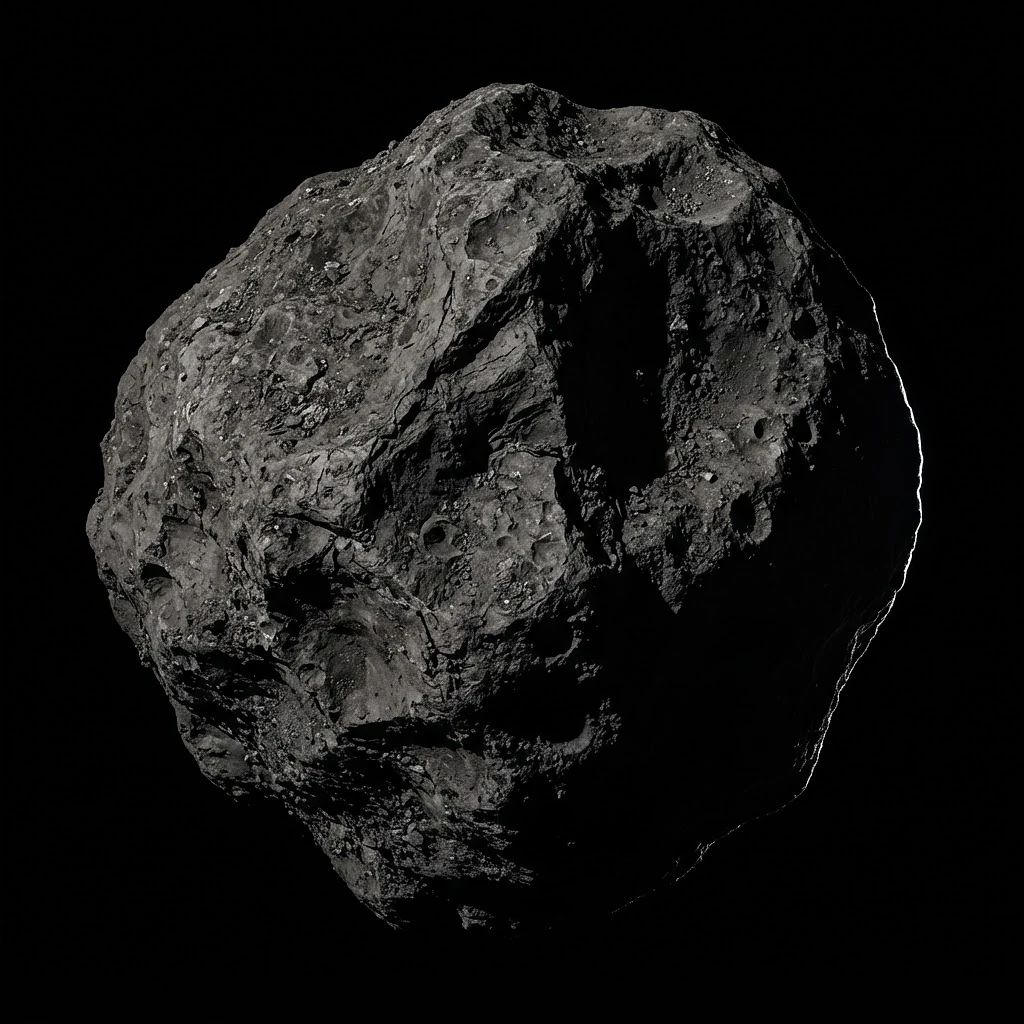
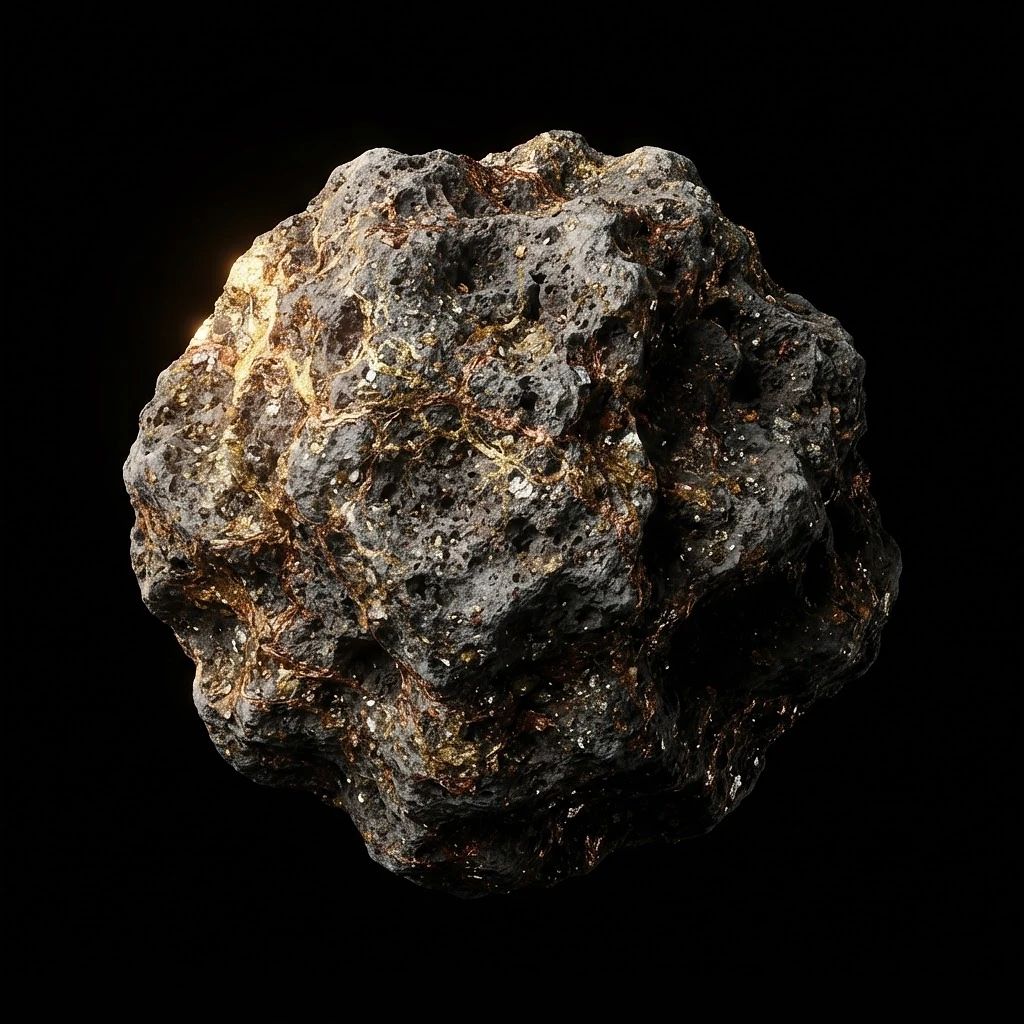
Two asteroids approach along a single axis. Set their masses, velocities and start positions, choose how elastic the impact is, then follow the collision frame by frame. Velocities are signed: a minus sign means motion in the negative x direction.
Collision results
Projected outcome for this configuration.
A after
−0.4 m s⁻¹
B after
+17.6 m s⁻¹
ΔEₖ
+2.91 × 10⁻¹¹ J
Energy retained
100.0%
| Quantity | Before | After |
|---|---|---|
| p₁ | +16800 kg m s⁻¹ | −480 kg m s⁻¹ |
| p₂ | −3200 kg m s⁻¹ | +14080 kg m s⁻¹ |
| Total p | +13600 kg m s⁻¹ | +13600 kg m s⁻¹ |
| Eₖ (A) | 1.18 × 10⁵ J | 96 J |
| Eₖ (B) | 6400 J | 1.24 × 10⁵ J |
| Total Eₖ | 1.24 × 10⁵ J | 1.24 × 10⁵ J |
Momentum error after the calculation: 1.8 × 10⁻¹² kg m s⁻¹ (zero to numerical precision). Coefficient of restitution measured from the outcome: 1.000.
Physics analysis — what just happened?
Generated from the values the engine actually calculated for this run.
Collision type: perfectly elastic. After impact Asteroid A moves at −0.4 m s⁻¹ and Asteroid B at +17.6 m s⁻¹.
Momentum: total momentum is +13600 kg m s⁻¹ before and +13600 kg m s⁻¹ after — unchanged, because the collision involves no external impulse.
Kinetic energy: it is exactly conserved (1.24 × 10⁵ J before and after), which is the signature of an elastic collision.
Masses 1200 kg and 800 kg; coefficient of restitution e = 1. Changing playback speed does not change any of these values.
Concept check
The total momentum stays +13600 kg m s⁻¹. Why is that guaranteed here?
All values are SI and every collision is checked for momentum conservation before it is displayed.
All calculators
