
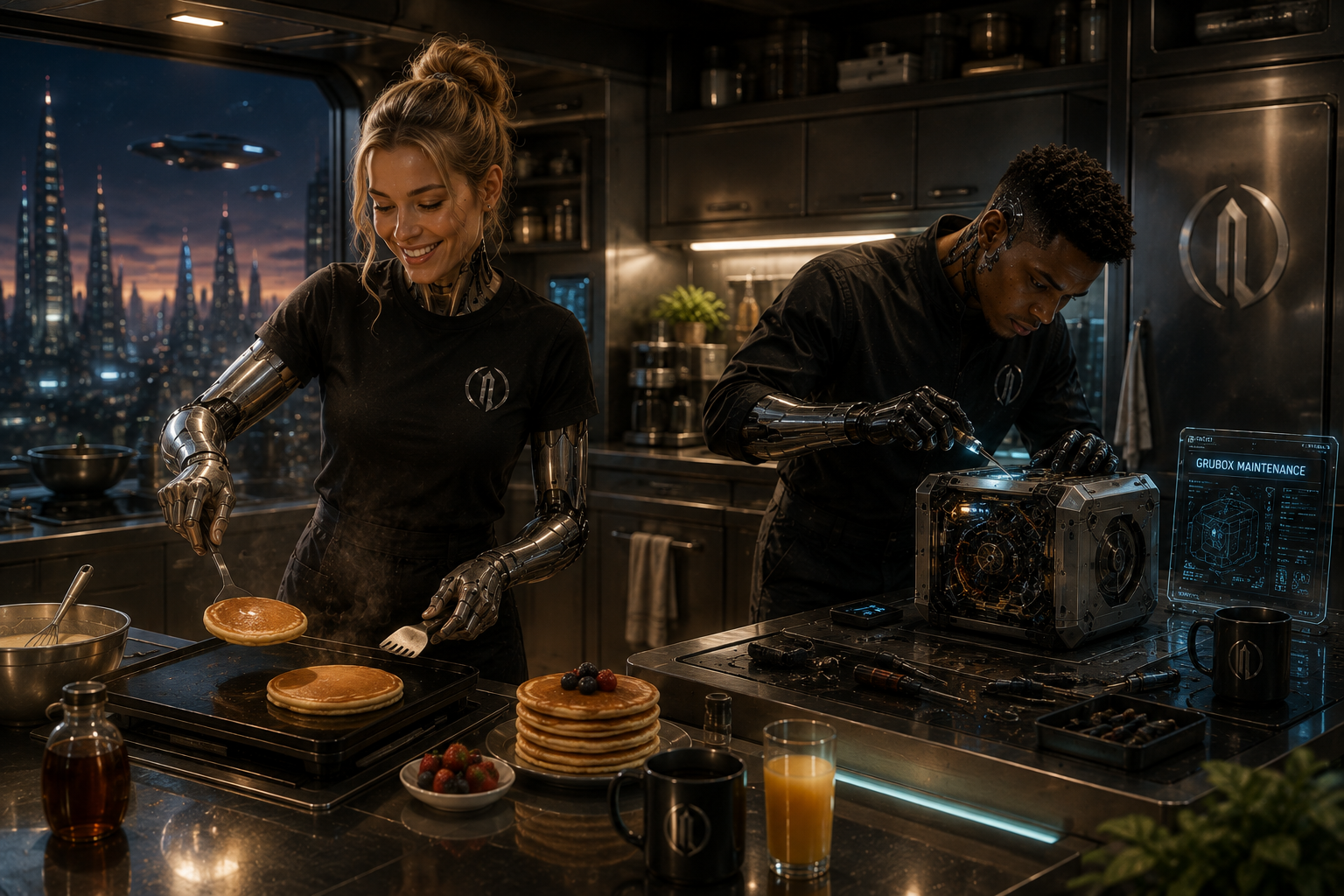
TECHNOLOGY · THE LURRAN CONSORTIUM
Jaykes and Jaynes
Fully synthetic humanoid androids — manufactured tools, not citizens. One product family, dozens of specialized models built for every profession and price range.
THE FOUNDATION
Jaykes and Jaynes
Jaykes (male-presenting) and Jaynes (female-presenting) are fully synthetic humanoid androids found throughout the Lurran Consortium. Unlike cyborgs, they contain no biological tissue whatsoever. Every component—from their transparent synthetic corneas to their electroactive muscles and artificial skin—is manufactured.
Although they often appear indistinguishable from humans during casual conversation, they are designed first and foremost as tools. Most citizens view them as exceptionally sophisticated machines rather than members of society.
Their remarkable intelligence allows them to converse naturally, recognize emotional cues, learn new skills, and solve complex problems. However, Consortium law distinguishes them from senticoms. Senticoms are legally recognized as conscious digital persons possessing free will, whereas most jaykes and jaynes are manufactured to serve specific functions and remain the property of their owners. Only exceptionally rare self-aware models that satisfy stringent legal standards may petition for citizenship.
ANATOMY
Construction
Every unit is assembled around a lightweight titanium-composite skeleton supporting thousands of electroactive artificial muscle fibers.
Their synthetic skin:
- regulates temperature
- repairs minor abrasions
- simulates perspiration
- reproduces fingerprints
- contains millions of tactile sensors
Their visual systems continuously collect information, even while their eyes move between objects. This gives many jaykes an almost unnerving appearance, as their gaze tracks with extraordinary precision compared with human vision. The trait makes them particularly effective bartenders, receptionists, inspectors, and technicians.
THE PRODUCT LINE
Common Model Series
There is one general product family, but dozens of specialized models built for different professions and price ranges. The references to the Series 70 and Series 74 models already establish a numbering convention that expands naturally across the line.

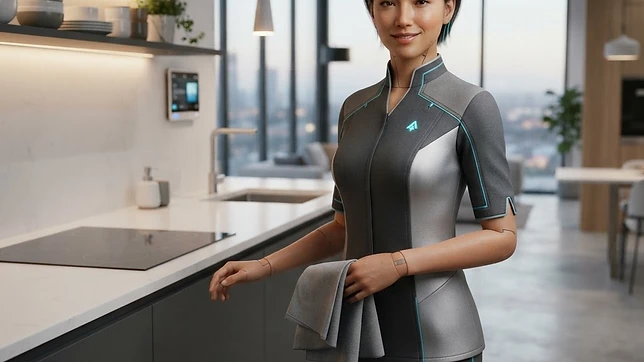
Series 10 — Domestic Units
The least expensive line.
Designed for:
- cleaning
- cooking
- childcare assistance
- elderly care
- household management
These models possess pleasant personalities but limited adaptive learning.


Series 20 — Commercial Service
The backbone of Consortium commerce.
Common occupations include:
- bartenders
- hotel attendants
- receptionists
- restaurant staff
- retail associates
- office assistants
Many citizens interact with Series 20 units every day without giving them much thought.


Series 30 — Industrial Labor
Built for hazardous environments.
Often employed in:
- mining
- cargo handling
- construction
- manufacturing
- shipyards
Their frames are physically stronger than those of humans and can operate continuously for weeks with scheduled maintenance.

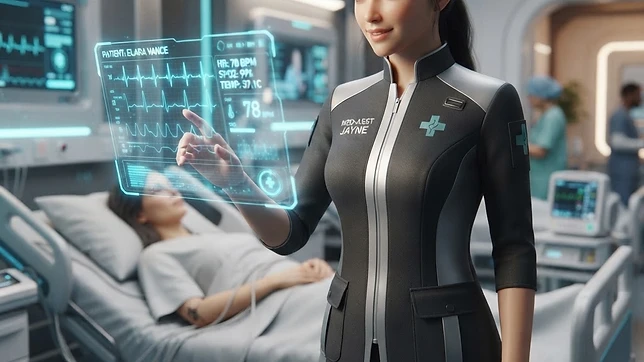
Series 40 — Medical Support
Designed to assist physicians rather than replace them.
Typical duties include:
- patient monitoring
- emergency stabilization
- surgical instrument management
- rehabilitation therapy
- pharmaceutical preparation
Their bedside manner is intentionally warm without appearing overly emotional.

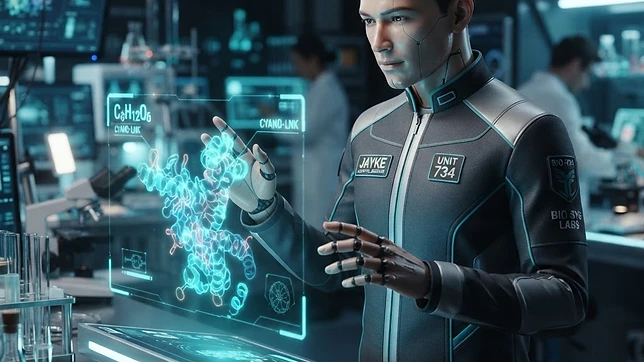
Series 50 — Scientific and Technical
Highly advanced laboratory and engineering assistants.
Frequently found within organizations such as SIAGE and Ventopia. Responsibilities include:
- laboratory operation
- engineering diagnostics
- environmental monitoring
- materials analysis
- spacecraft maintenance
Many scientists rely on them during long research projects.

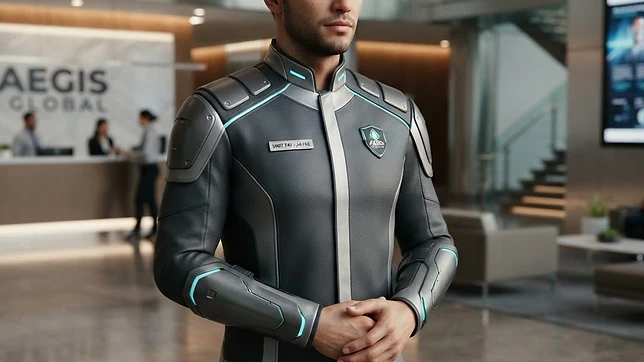
Series 60 — Security
Designed for defensive duties.
Used by:
- private corporations
- embassies
- museums
- banks
- cargo facilities
Their operating software emphasizes restraint and de-escalation whenever possible. Military organizations generally avoid placing them in command positions.


Series 70 — Companion Series
Perhaps the most controversial product line ever introduced.
These models were created to provide companionship and emotional interaction. They feature:
- exceptionally realistic facial expressions
- highly advanced conversational abilities
- customizable personalities
- extensive psychological interaction models
Critics argue that the series encourages unhealthy emotional dependence, while supporters contend that it reduces loneliness, lowers crime, and provides comfort for isolated individuals. The introduction of the Series 70 line sparked significant ethical debate across the Consortium.


Series 74 — Pleasure Model
A specialized branch of the Series 70 platform.
Designed exclusively for adult companionship.
Unlike legally recognized senticoms, these units are intentionally engineered without the capacity to refuse deactivation or terminate ownership agreements. Consortium law therefore classifies them as insensate property rather than legal persons, making their ownership lawful under specified regulations. Their existence remains one of the most controversial social issues of the twenty-fourth century.


Series 80 — Colonial Operations
Built for frontier settlements.
Common assignments include:
- terraforming support
- agricultural management
- atmospheric maintenance
- heavy equipment repair
- emergency habitat construction
They are particularly common within Ventopia colonies where reliability often determines whether entire settlements survive.


Series 90 — Executive Models
The rarest civilian androids.
Produced in limited numbers for:
- planetary executives
- major corporations
- diplomatic residences
- wealthy private owners
Every unit is custom manufactured and often costs more than a spacecraft.
Ynoventhu Dynamics has become the dominant manufacturer of the Series 70 and Series 74 lines. Over time, the designation "Series 74" may become as recognizable as "Corvette," "Roomba," or "iPhone."
LEGAL STATUS
Ownership
Jaykes and Jaynes may legally be:
- purchased
- leased
- rented
- inherited
- transferred
They cannot generally own property themselves, vote, marry, or hold public office because they are legally regarded as manufactured property rather than citizens.
Nevertheless, laws prohibit unnecessary destruction or abuse of these machines, recognizing both their substantial economic value and their importance to public safety.
SOCIETY
Public Opinion
Most people scarcely notice them anymore.
Ordering food from a jayke bartender, checking into a hotel staffed by a jayne receptionist, or boarding a transport maintained by Series 50 engineering units has become an ordinary part of daily life throughout the Consortium.
Others remain uneasy. Their near-human appearance and increasing sophistication have fueled long-running debates about whether advanced androids deserve rights beyond those currently granted. Some fear a future in which androids could replace humans in many professions, while others see them simply as another technological tool—no different in principle from the Grubox, Wendrules, or Nadels that transformed earlier generations.

